Where People Here Actually Eat
The counter
Søstrene Hagelin is a long-standing Bergen fishcake and fish-pudding shop and a real local institution. A fishcake over a counter is the honest everyday version of everything this city is famous for: preserved fish, eaten without ceremony, standing up. If you only do one non-restaurant thing here, do that. The seafood behind it.
The bakery, early
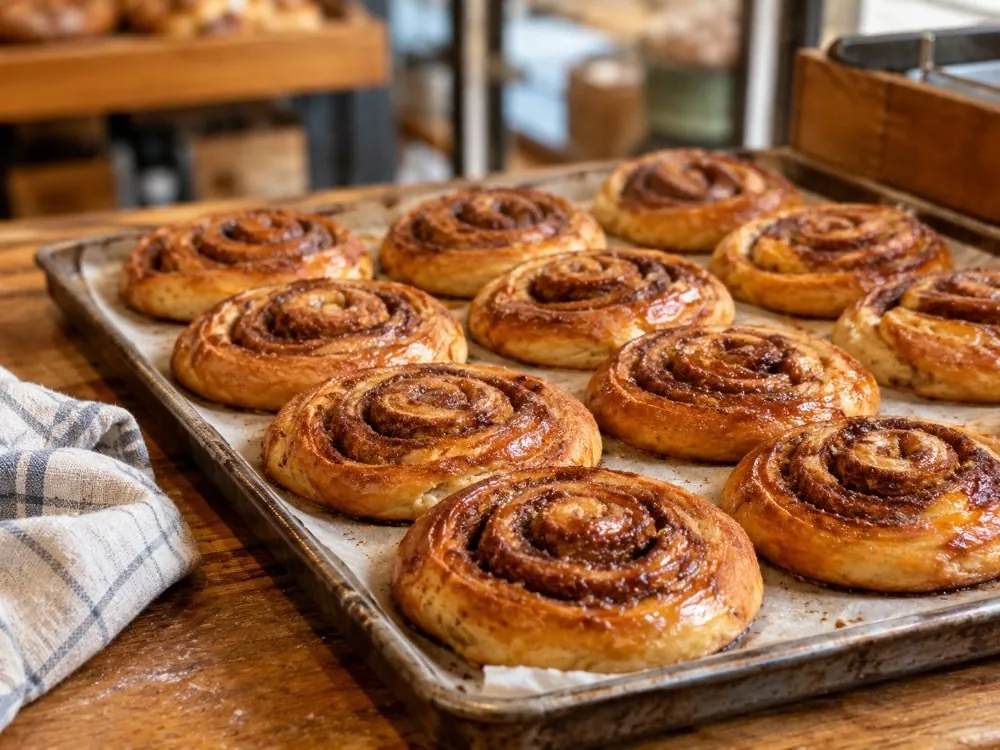
I worked four years behind a bakery counter on Nordnes. The skillingsboller came out at half past six and were gone by nine, and that is not a quirk of one bakery — it is the rhythm. Buy bread and buns in the morning. The bun.
Why the lunch trade is thin
Because of a school scheme in Oslo in 1932. The matpakke descends from the Oslo breakfast, and three generations later almost everybody still brings lunch in. That single habit explains more about eating out in Norway than any pricing theory does. The matpakke.
Timing
Norwegians commonly eat dinner earlier than most of Europe — the working day often ends mid-afternoon and lunch is early — and many eat kveldsmat, a light supper, later in the evening. That is widely reported rather than surveyed, so take it as a shape rather than a schedule. When people eat.
Two things that save you money without a single figure
Ask for tap water and drink it. Bergen treats its water at six plants, takes roughly fifteen hundred samples a year across the network, tests more than sixty substances and uses chlorine only minimally. It is good water and nobody here thinks it is strange to order it. The water. And do not agonise over the tip: tipping in Norway is voluntary, no service charge is folded into the stated price, staff are on full wages, and for tour guides there is no established Norwegian norm at all. Tipping, honestly.
And the market
Locals argue about the fish market, and have done in the national papers since at least 2013. Walk through it; take advice on where to eat from somebody who lives here. Both sides of that. Mathallen, indoors and year-round.
Eating in an actual Bergen house
The only listing in the city that is not a restaurant. Two and a half hours of Norwegian home cooking and conversation about life in Norway, maximum four guests, not private, with pickup and drop-off at the Hurtigruten Terminal, Loddefjord Terminal or Deli de Luca Jernbanestasjon — roughly ten minutes each way and about 105 minutes at the table. There is a small dog in the house, so participants must not be allergic to dogs. Accessibility: the listing says nothing, which is not the same as yes.
Frequently asked questions
Where do locals eat in Bergen?
Mostly not in restaurants at midday. Norwegians bring a packed bread lunch, the matpakke, so the everyday local options are a fishcake counter — Søstrene Hagelin is the long-standing Bergen fishcake and fish-pudding institution — and a bakery in the morning. Dinner is cooked at home and eaten earlier than most of Europe manages.
Do locals use the Bergen fish market?
It is contested. A Bergen-born marketing professor told Aftenposten in 2013 that people here avoid it because better seafood is available elsewhere in the city; the tourism director of the day disagreed. Nobody publishes a figure for how many locals actually shop there, so be wary of anyone who quotes one.
Is it rude to order tap water in a Norwegian restaurant?
Not at all. Bergen’s tap water is treated at six plants, sampled roughly fifteen hundred times a year across the network and tested for more than sixty substances, with chlorine used only minimally. Ordering it is completely normal.